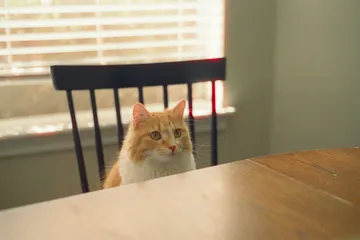
Air Purifier for Cats with Asthma
Quick answer: an air purifier can help reduce some of the airborne triggers associated with feline asthma flare-ups, but it is not a treatment, and it doesn’t replace veterinary diagnosis and management. This article is general environmental-management information, not medical advice - feline asthma is a real, chronic airway condition that needs a vet’s involvement, often including inhaled medication delivered through a feline-specific spacer device. What follows is what the specs and owner-reported patterns actually show about reducing airborne triggers alongside that care, not instead of it.
This question comes from readers whose cat has an actual asthma diagnosis, and the limits of what we can responsibly say here are worth stating first: we are not a vet, this isn’t a substitute for one, and if your cat hasn’t been diagnosed by a vet yet, that’s the first step - not a purifier. What I can speak to is what’s commonly cited as an airborne trigger, and which purifier features matter (and which are irrelevant marketing noise) once environmental management is actually part of your vet’s plan.
What feline asthma is, briefly, and why environment matters at all
Feline asthma is a chronic inflammatory airway condition, broadly similar in mechanism to human asthma, where the airways narrow and become hyper-reactive in response to triggers. It’s typically managed with vet-prescribed medication - often inhaled corticosteroids or bronchodilators delivered via a small cat-sized spacer and mask. Environmental management (reducing exposure to airborne triggers at home) is commonly recommended by vets as a supporting piece of an overall management plan, not a replacement for medication, and that’s the frame this entire article sits inside.
The reason environment matters at all is that a cat with reactive airways responds more strongly to irritants that a healthy cat might tolerate without any visible reaction - dust, aerosolized chemicals, and smoke among them. Reducing ambient exposure to those doesn’t cure anything, but it’s a genuinely reasonable thing to try to control in a home, the same way a person with asthma might use an air purifier alongside their prescribed treatment rather than instead of it.

The airborne triggers most commonly cited
A few categories come up repeatedly in discussions of feline asthma management:
- Airborne dust, including litter dust kicked up during scooping and digging.
- Scented candles, plug-in air fresheners, and aerosol sprays - synthetic fragrance compounds are a commonly flagged irritant category, separate from the essential-oil-specific liver-toxicity risk covered in our cat safety guide, which is a different (and more acute) concern.
- Cigarette and other smoke, which affects reactive airways more noticeably than healthy ones.
- Some cleaning product fumes, particularly strong aerosolized ones used in an unventilated space.
- Seasonal pollen tracked indoors, in cats with a pollen-sensitive component to their asthma.
A mechanical HEPA and activated carbon purifier can meaningfully reduce ambient levels of airborne dust and some fragrance/smoke compounds between exposures. It can’t do anything about a trigger you’re actively introducing in the same room - running a purifier while burning a scented candle next to it is working against itself, not with it.
Why “no ionizer” matters more here than in an average cat household
We cover the general case for avoiding ionizing and ozone-generating purifiers around cats in more depth in our are air purifiers safe for cats guide, but it’s worth restating specifically in this context: ozone is a recognized lung irritant, and introducing one into a home with an already-reactive airway is a worse trade than in a healthy cat’s home. The margin for “probably fine” that some owners are comfortable with for a general-purpose ionizing purifier doesn’t hold up as well once asthma is part of the picture.
The simplest, most defensible choice here is the same one we recommend as a general default for pet households: a purely mechanical HEPA and activated carbon unit with no ionizing mode at all, so there’s no setting to accidentally leave on and no ambiguity about what the unit is actually doing to the air.
Litter dust as a specific, addressable trigger
Litter dust deserves its own mention because it’s one of the more directly addressable triggers on this list - unlike pollen or outdoor air quality, it’s something you have full control over. Low-dust or dust-free litter formulations are frequently recommended alongside general asthma management, since fine litter dust becomes airborne during scooping and digging and is inhaled at close range by a cat using the box. Pairing a lower-dust litter with a purifier placed near the litter area addresses both the source and the residual airborne portion - similar logic to what we cover in our cat litter smell pillar review, just with a lower tolerance for dust exposure specifically.
For a litter area in its own small room, a compact unit like the Levoit Core Mini-P placed close to the box is worth considering specifically for the dust-reduction angle, separate from odor.
Sizing and placement: why running on a quiet setting matters
The 2/3 rule for CADR sizing still applies here - a purifier’s CADR (CFM) should be at least two-thirds of the room’s square footage. It’s worth erring toward a slightly oversized unit for the room specifically so it can run on a lower, quieter fan speed and still hit a meaningful number of air changes per hour, rather than needing to run on a loud high setting to keep up. Some owners managing an asthmatic cat’s environment report preferring quieter, more consistent low-speed operation over intermittent high-speed bursts, on the theory that a calmer environment is generally easier on a cat already prone to stress-related flare-ups - this is an anecdotal pattern in owner reports, not an established clinical finding, so treat it as a reasonable precaution rather than a proven mechanism.
What owners managing an asthmatic cat’s environment report
- Switching to a low-dust litter and running a purifier together is the most commonly described combination, more often than either change alone - consistent with the idea that this is about reducing a stack of small triggers, not finding one fix.
- Owners consistently report eliminating scented candles, plug-ins, and aerosol sprays from the room entirely, rather than trying to find a “safer” scented product - the simplest approach mentioned repeatedly is removing synthetic fragrance from the space altogether.
- A purifier running continuously, rather than only during visible flare-ups, is the more commonly described approach - the logic being that reducing baseline ambient trigger levels matters more than reacting after symptoms appear, though this is a household habit pattern, not medical guidance.
- None of this replaces the prescribed treatment plan - reviews and owner discussions of environmental changes consistently frame them as happening alongside vet-directed medication, not instead of it.
What this is not
To be direct about the limits: this article does not diagnose, treat, or manage feline asthma, and a purifier does not either. If your cat is coughing, wheezing, or showing labored breathing and hasn’t been evaluated by a vet, that’s the actual next step - not a purifier purchase. Everything above is about reducing avoidable airborne triggers as a supporting measure once your vet is already involved, not a way to skip that step.
If you’re also weighing general purifier safety around cats - ionizers, ozone, and the specific essential-oil risk that’s unrelated to purifiers but often confused with them - our are air purifiers safe for cats guide covers that in full. And if shedding and airborne hair (a different, non-medical concern) is also a factor in your home, Do Air Purifiers Help with Cat Hair? covers that separately.
Check Price on Amazon(paid link)Browse every guide in this silo on the cat air purifier hub.
Frequently asked questions
Can an air purifier treat or prevent feline asthma attacks?
No. An air purifier is not a treatment and doesn't prevent, cure, or reduce the frequency of asthma attacks. Feline asthma is a chronic airway condition that needs veterinary diagnosis and management, often including inhaled medication. A purifier is, at most, a supporting environmental step alongside your vet's actual treatment plan - never a substitute for it.
What airborne triggers should I actually be trying to reduce?
The most commonly cited triggers in feline asthma discussions include airborne dust (including litter dust), scented candles and plug-in air fresheners, aerosol sprays, cigarette smoke, and sometimes seasonal pollen tracked indoors. A mechanical HEPA and carbon purifier can reduce ambient levels of several of these; it can't do anything about ones you're actively introducing, like a scented candle in the same room.
Should I avoid ionizing or 'ozone' purifiers for a cat with asthma?
Yes, more so than in an average cat household. Ozone is a lung irritant, and an already-reactive airway is a worse place to introduce one than a healthy one. A purely mechanical HEPA and activated carbon unit with no ionizing mode is the safer default here - the same logic covered in our broader <a href="/cats/are-air-purifiers-safe-for-cats/">cat safety guide</a>.
Does litter dust make feline asthma worse?
It's commonly cited as a contributing factor, since fine litter dust is inhaled directly during and after scooping or digging. Low-dust or dust-free litters are frequently recommended alongside environmental management for cats with respiratory sensitivity - worth discussing with your vet alongside any purifier changes.