Air Purifier for Bird Cage: Placement & Safety
Quick answer: place it a few feet from the cage, angled so airflow passes near it rather than directly at it, on the lowest fan speed to start. Based on general avian-care guidance and how these units move air, proximity and airflow direction matter more for birds than for cats or dogs, because birds are more sensitive to both direct airflow and sudden noise changes.
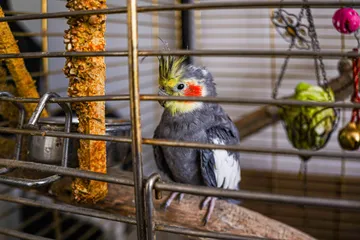
A few days of wary looks every time the fan cycles up is a normal adjustment period for a cockatiel. It’s the reason placement and introduction matter more here than in almost any other pet category we cover.
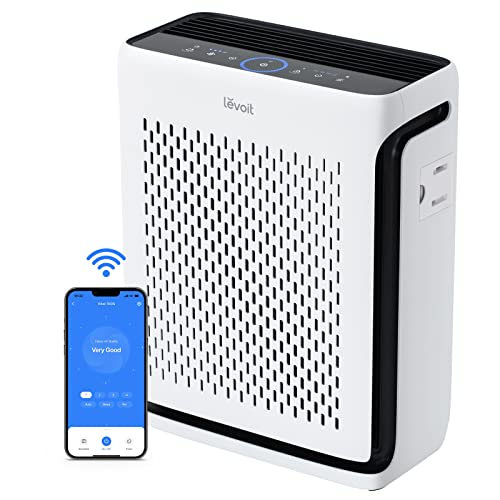
It’s a different calculation than placing a purifier for a cat or dog. With a cat, the main variable is proximity to an odor source like a litter box - the cat itself doesn’t have much of a reaction to the unit. With a bird, the animal’s own comfort and stress response to the equipment is as much a part of the placement decision as filtration performance is, which is why this guide spends as much time on introduction and behavior as it does on airflow and square footage. If you haven’t settled on a model yet, our Best Air Purifier for Birds guide covers the non-ionizing pick we start every bird household with, before any of the placement advice below applies.
The core placement principle: near, but not aimed at the bird
A purifier only cleans the air that reaches its intake, so it needs to be close enough to the cage to actually filter the air the bird breathes - but a unit blasting air directly at a cage can cause genuine stress, drying, or a bird feeling like it can’t get away from moving air. The balance most owners land on:
- A few feet away, not touching or right up against the cage.
- Angled to the side, so the output airflow passes near the cage rather than hitting it head-on.
- On a stable surface, not somewhere it could be knocked into the cage.
- Away from direct drafts or windows, so the purifier isn’t fighting a cross-breeze that changes how its airflow actually reaches the cage.
Signs the placement or fan speed isn’t right yet
Birds communicate stress through behavior more than vocalization, and it’s worth knowing what to actually watch for during the first week or two:
- Reduced vocalization or activity compared to the bird’s normal baseline - a healthy bird that suddenly goes quiet after a purifier is introduced is worth paying attention to.
- Feather fluffing or flattening that seems tied to fan speed changes - some owners specifically note a bird’s feather posture shifting noticeably when the unit ramps up.
- Avoiding the side of the cage nearest the airflow - a sign the air movement itself, not just the noise, is the issue, and usually resolved by angling the unit further away from direct line-of-sight to the perches.
- Increased hiding or reluctance to eat near the cage’s food dish if it’s on the side facing the purifier - worth relocating either the dish or the unit if this persists past the first week.
If any of these show up and don’t resolve within a few days of a lower fan speed or repositioning, it’s worth moving the unit farther away and reintroducing it more gradually, rather than assuming the bird will simply get used to it on its own timeline.
Introduce fan speed gradually
Birds react to sudden changes in ambient noise more strongly than most mammals kept as pets. Owners who jump straight to a high fan speed on day one report more stress behaviors (flightiness, reduced vocalization, hiding) than owners who start on the lowest speed and increase it gradually over several days, once the bird shows no reaction to the current level.
A realistic introduction schedule based on what owners describe: run the lowest speed for two to three days, watching for any of the stress signs above. If the bird’s behavior is unchanged from baseline, move up one speed level and hold it for another two to three days before considering a further increase. There’s no need to reach the highest fan speed at all if a lower one is already handling the room adequately under the 2/3 rule - more speed isn’t automatically better if the bird finds it more stressful and the lower speed is already keeping up with the room’s air-change needs.
Multi-bird households and aviary rooms
With more than one bird, or a larger aviary-style room, a few additional considerations apply:
- Different species react differently to the same fan speed. Smaller, more skittish species (some finches, for example) tend to need a slower introduction than larger, more habituated companion species like cockatiels or African greys that have more one-on-one interaction with a household.
- Multiple cages in one room benefit from central placement rather than favoring one cage’s proximity over another - the goal is even air coverage across the room rather than optimizing distance to a single cage.
- A single larger-CADR unit is usually preferable to multiple small ones in an aviary room, both for simpler noise introduction (one sound source to acclimate to, not several) and for more even airflow distribution.
What to avoid entirely near a bird
This is a shorter list than you’d think, but each item on it matters:
- Ionizing purifiers or any mode that generates ozone. Covered in full in Are Air Purifiers Safe for Birds? - the short version is that bird respiratory systems are far more sensitive than ours, and this is the one category worth ruling out entirely rather than researching case by case.
- Scented anything near the purifier or cage - including scented filter inserts some purifiers offer as an add-on. Birds are sensitive to airborne particulates generally, and there’s no upside to adding fragrance to the air moving near a cage.
- Placing the unit somewhere it can be tipped into the cage - an obvious one, but worth stating given how often cages sit on similar-height furniture to a tabletop purifier.
- Running the purifier in a closed, unventilated room with no other air exchange at all. A purifier recirculates and filters the air already in the room; it isn’t a substitute for the room having some connection to the rest of the house’s airflow, particularly in a household that also cooks or cleans with any aerosol products elsewhere.
Traveling or temporary setups
If you’re moving a bird’s cage temporarily - boarding, a vet visit, a house guest, a room reconfiguration - it’s worth treating the purifier placement as a fresh introduction each time rather than assuming the bird will generalize its comfort from the old location to the new one. Owners who’ve moved cages between rooms report a shorter but still noticeable re-adjustment period, even with a bird that was fully acclimated to the same purifier in its previous spot. Starting back on a lower fan speed for a day or two after any relocation is a small amount of extra caution that owners describe as worthwhile.
Cage cleaning and the purifier: a small but useful overlap
Cage cleaning - changing paper, washing perches and dishes, dealing with scattered seed hulls and feather dust - kicks up a temporary burst of particulate that a nearby purifier handles well, provided it’s not switched off during cleaning out of caution. Several owners specifically mention running the unit on a slightly higher speed during and just after cleaning, then dropping back to the normal baseline speed once the room settles. This is one of the few situations where a temporary speed increase is worth the brief extra noise, since the bird is typically out of the cage or distracted during cleaning anyway, making it a lower-stress moment to run the unit harder.
A realistic setup checklist
- Confirm the purifier is a non-ionizing HEPA + carbon model - see our Best Air Purifier for Birds pick if you haven’t chosen one yet.
- Place it a few feet from the cage, angled to the side.
- Start on the lowest fan speed for the first few days.
- Watch the bird’s behavior as you increase speed - vocalization and activity returning to normal is a good sign the bird has adjusted.
- Keep the room ventilated generally; a purifier supplements airflow, it doesn’t replace a room having some air exchange.
- Reassess placement any time you rearrange furniture or move the cage - a setup that worked before a room change can suddenly put the bird in direct airflow again.
Getting placement and introduction right takes a bit more patience than it does for a cat or dog household, but it’s a one-time setup cost. Once a bird has habituated to a correctly placed, correctly introduced purifier, owners consistently describe it fading into the background the same way it does in any other pet household - just with a more deliberate first week or two to get there.
Check Price on Amazon(paid link)Browse every guide in this silo on the bird air purifier hub.
Frequently asked questions
How close can an air purifier safely be to a bird cage?
A few feet away is the range most owners settle on - close enough to filter the air around the cage effectively, far enough that direct airflow doesn't blow straight onto the bird. Right up against the cage is generally more than needed and can startle the bird with direct fan noise and airflow.
Should the purifier point directly at the cage?
No - angle it so the airflow passes near the cage rather than blasting it head-on. Avian-care guidance is consistent on this: birds settle faster when airflow is not aimed at them.
Is it safe to run a purifier overnight in the same room as a sleeping bird?
A non-ionizing HEPA and carbon unit run at a lower, quieter fan speed overnight is standard practice among bird owners who use purifiers. The main things to avoid are ionizing modes and any setting the bird visibly reacts to with stress.
What about the purifier's own noise?
Start on the lowest speed and observe the bird's reaction over a few days before increasing it. Birds usually habituate to a steady sound within a few days, while a sudden jump to high speed is more likely to cause a stress response than a gradual introduction.