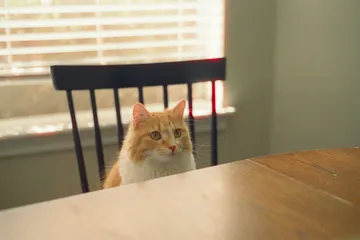
Best Odor Eliminator for Cat Litter Smell
Quick answer: if you’re comparing litter additives, baking soda, odor sprays, and an air purifier as odor eliminators, the purifier is the only one of the four that continuously treats the room’s air rather than just the box - but the best real-world result combines a source-level method with it, not either alone. Based on how each method actually works mechanically, here’s an honest side-by-side.
Some version of “what actually gets rid of the smell” is the most common question on this site, usually from someone who has already tried two or three products and is skeptical that anything works. The honest answer is that most of these products do work, at what they’re actually designed to do - the mismatch is usually that people expect a single product to solve a problem that has more than one source.
The four methods, compared
| Method | What it actually does | Where it falls short |
|---|---|---|
| Litter additives (carbon or baking-soda blends) | Reduces ammonia at the source, before it’s airborne | Doesn’t help dust or general room air quality; only as good as your litter brand’s formulation |
| Loose baking soda in the box | Cheap, mild odor absorption right at the source | Short-lived - needs frequent reapplication, minimal effect on airborne ammonia once it’s already circulating |
| Odor sprays / air fresheners | Immediate, noticeable change in the room | Masks smell with a new scent instead of removing the compound; doesn’t touch dust; effect fades within hours |
| Air purifier with activated carbon | Continuously treats the air in the room, not just the box | Costs more upfront in filters; doesn’t address the source - you still have to scoop |
Read across that table and the pattern is clear: three of the four methods work at the box itself, and only the purifier works on the room’s air continuously, without you doing anything after the initial setup. That’s the “systemic” part - it’s not that the other methods don’t work, it’s that they’re point-source or temporary, and a purifier is neither.
Why source-level methods aren’t enough on their own
Litter additives and baking soda genuinely reduce how much ammonia becomes airborne in the first place, which is real and useful - it’s cheaper to prevent odor at the source than to filter it out of the air later. But “reduce” isn’t “eliminate,” and any ammonia that does become airborne, plus the litter dust kicked up during scooping and digging, needs something to actually process it once it’s in the room. Source-level products have no mechanism for that. They’re doing a different job, not a worse version of the same job.
This is the same logic covered in more depth in our full system guide: litter type, scooping frequency, box placement, and box cleaning are the biggest levers, and a purifier is the piece that handles what’s left over in the air after those are already dialed in. None of these methods is a replacement for the others - they’re solving for different parts of the problem.
Why sprays and air fresheners are the least effective long-term
This is worth being blunt about: a scented spray doesn’t remove the ammonia molecule causing the smell - it adds a second, usually stronger scent on top of it, which your nose interprets as “better” because the new smell is more noticeable than the old one for a while. Once the fragrance fades, the underlying odor is exactly where it was. Some owners specifically describe this as making a room smell “like flowers over a litter box” rather than actually clean, which is a pretty accurate description of what’s mechanically happening.
Sprays have a legitimate place as an immediate, temporary fix - right after scooping, or before guests arrive - but they’re not a systemic solution, and expecting one to be is a common source of frustration in odor-product reviews generally.
Why the purifier is the systemic winner - and why carbon specifically matters
A HEPA filter alone does very little for odor - it’s built to trap particles, not gas-phase odor molecules like ammonia. The purifiers that actually move the needle on litter smell have a second stage: activated carbon, which physically adsorbs odor compounds as air passes through it. For the fuller technical breakdown of why carbon - not HEPA - is the spec that matters for smell specifically, see our guide on HEPA vs Carbon Filters for Pet Odors, which covers the mechanism across cat, dog, and bird households.
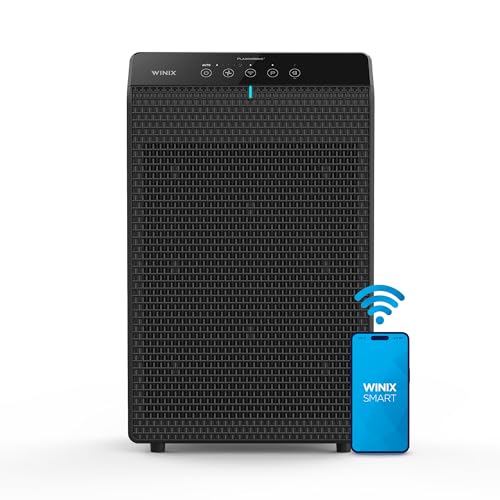
Among the models we track, the Winix 5520 is built around this specifically: its AOC (Advanced Odor Control) carbon filter is sized as a primary filtration stage rather than a thin layer bolted onto a HEPA-first design, which is exactly the detail that matters for ammonia-heavy litter smell. We cover this in more depth in our dedicated cat pee smell guide and our full Winix 5520 review - this is the same underlying carbon-first design, just framed here against the other odor-control methods rather than against other purifiers. If you’re weighing it directly against a hair-and-dander-focused pick, Levoit Vital 200S vs. Winix 5520 puts the two head-to-head. A mid-range, carbon-forward alternative worth knowing about is the PuroAir 240, though its filter schedule makes it the most expensive model to run on this site - see the cost table below.
What it costs to run
Device price isn’t something we publish here, but filter economics are a stable, comparable number. Here’s the annual filter cost for the two purifiers most relevant to litter odor specifically:
| Model | Role | CADR (CFM) | 2/3-rule room ceiling | Filter cost/yr | Filter life |
|---|---|---|---|---|---|
| Winix 5520 | Best for odor | 253 | ~380 sq ft | ~$80 | 12 months |
| Levoit Vital 200S-P | Best overall for cats | 250 | ~375 sq ft | $50-100 | 6-12 months |
| PuroAir 240 | Highest running cost - read before buying | 205 | ~308 sq ft | $162-216 · sub. $121-162 | 3 months |
Compared to the ongoing cost of replacing litter additives or repurchasing sprays every few weeks, a purifier’s filter cost is a predictable, scheduled expense rather than a running weekly one - anywhere from once a year to every few months depending on the model, worth factoring in if you’ve been cycling through odor products regularly without a lasting result.
The combination that actually works, based on owner patterns
Reading enough reviews across all four product categories turns up a consistent pattern: households that report litter smell as “finally handled” almost always describe a combination, not a single hero product.
- Carbon or baking-soda litter additive, chosen for the litter you’re already using, to cut ammonia at the source.
- A consistent scooping schedule - once or twice daily - since no odor product fully compensates for infrequent scooping.
- A carbon-filter purifier placed within 3-5 feet of the box, to handle the airborne portion continuously.
- Sprays reserved for immediate, occasional use - right after scooping or before guests - rather than as the primary strategy.
Households relying on just one of these tend to plateau at “better, but still noticeable.” Households combining source-level control with a correctly placed purifier are the ones who describe the smell as genuinely gone rather than reduced.
Matching the combination to your household
Not every household needs the full stack, and it’s worth being honest about which pieces matter most for your specific setup rather than defaulting to buying everything:
- Single cat, one box, small apartment. A carbon-additive litter and a consistent scooping schedule often get you most of the way there on their own. A compact purifier - our small air purifier for litter box room guide covers this size range - is still worth adding if the box is in a small, enclosed space where odor concentrates, but the source-level methods carry more of the weight here than in a larger home.
- Multiple cats, one or more boxes, open floor plan. This is where the purifier stops being optional. Ammonia load scales with cat count, and an open floor plan dilutes source-level treatments before they reach the whole room. A purifier with real CADR headroom, placed close to the box, is doing work that litter additives and sprays simply can’t reach on their own.
- Renters or households that can’t run a purifier 24/7. If cost of operation or noise means the purifier only runs part of the day, lean harder on the source-level methods - a carbon-additive litter and a strict scooping schedule - and treat the purifier as a booster during the hours it’s on, rather than the primary control method.
- Households where litter box smell reaches other rooms. No single product in this comparison fixes that on its own - it’s a placement and ventilation issue as much as an odor-elimination one. Our full system guide covers box placement and airflow as separate levers from any product choice.
Honest limits, regardless of method
- None of these four methods fixes odor that’s already soaked into porous surfaces near the box, like an unsealed wood floor - that needs actual cleaning.
- A purifier only cleans the room it’s in; a litter box in an unventilated closet with the door shut will still trap smell no matter what’s running nearby.
- Litter additives vary meaningfully by brand - not every “odor control” litter performs the same against ammonia specifically, and it’s worth checking the maker’s own claims for the litter itself, separate from any purifier.
- Multi-cat, multi-box households generally need more than a single method - see our pillar review for sizing guidance when more than one box is involved.
Browse every guide in this silo on the cat air purifier hub.
Frequently asked questions
What's the single best odor eliminator for cat litter smell?
There isn't one product that does everything - but if you can only add one thing to an already-reasonable litter and scooping routine, a carbon-filter air purifier placed near the box is the only method on this list that continuously treats the room's air rather than just the box itself.
Do baking soda and litter additives actually work?
Yes, but at the source, not in the room's air. Carbon or baking-soda litter additives reduce ammonia before it becomes airborne, which is genuinely useful and cheap - but they don't do anything for odor that's already circulating, or for litter dust.
Are odor-eliminating sprays worth using alongside a purifier?
They can be, for an immediate, temporary fix right after scooping - but sprays mask smell with a new scent rather than removing the odor-causing compound. Used alone, the underlying ammonia smell returns once the fragrance fades. A purifier removes the compound; a spray covers it.
Can I skip the purifier if I'm diligent about litter additives and scooping?
For some households, yes - a rigorous scooping schedule plus a carbon-based litter goes a long way. But owners with multiple cats, an open floor plan, or a litter box near a main living space consistently report needing the purifier's continuous room-air treatment on top of source-level methods to get the smell fully handled.
How fast does each method actually work?
Sprays and baking soda work within minutes but fade within hours. Litter additives work continuously but only at the box itself. A correctly placed carbon-filter purifier typically shows a noticeable room-wide difference within 24-48 hours and keeps working as long as it's running.